Best Sunglasses for Women: The Complete 2026 Guide
The best sunglasses for women balance three things: real UV protection, a frame shape that flatters the face, and a look that fits the wearer’s lifestyle. Stylish sunglasses for women today range from retro cat-eyes and oversized round frames to sporty polarized aviators, but the ones that actually earn a place in daily rotation are the pair that block 100% of UVA and UVB rays while still feeling like you. This guide breaks down exactly how to choose that pair.
Every season brings a fresh wave of trendy sunglasses for women, and it’s tempting to buy whatever is trending on your feed. But sunglasses aren’t just an accessory — they’re eye protection you wear for hours at a time, often in the harshest light of the day. Getting the fit, the lens, and the frame shape right matters more than getting the “trendiest” pair. At Urban Rivaj, that balance of protection and personality is exactly what shapes every frame we carry.
What Actually Makes a Pair of Sunglasses “The Best”
Walk into any eyewear conversation and you’ll hear a lot of opinions about brand names. What actually separates a genuinely good pair of women’s sunglasses from a mediocre one comes down to four things:
- UV protection rating — anything less than UV400 or “100% UVA/UVB protection” is decorative, not protective
- Lens material and clarity — polycarbonate and TR90 resist distortion and scratching far better than cheap acrylic
- Frame-to-face fit — the width of the frame should roughly match the width of your face at its widest point
- Comfort over long wear — nose pads, temple weight, and hinge quality decide whether you’ll actually wear them
When you try on a genuinely well-made pair, you notice the difference immediately — the world doesn’t look tinted or warped, the frame doesn’t pinch after twenty minutes, and the lenses cut glare instead of just dimming everything.
Matching Sunglasses to Your Face Shape
Face-shape matching is the single most requested piece of advice in eyewear, and for good reason — it’s the fastest way to narrow down hundreds of options to the five or six that will genuinely suit you.
| Face Shape | Recommended Frame Style | Frames to Avoid |
| Oval | Cat-eye, aviator, square | Oversized round (can overwhelm) |
| Round | Square, rectangular, geometric | Small round frames (add roundness) |
| Square | Round, oval, curved cat-eye | Sharp square frames (double the angles) |
| Heart | Aviator, light cat-eye, round | Heavy bottom-weighted frames |
| Diamond | Oversized round, oval | Narrow, angular frames |
The general rule: contrast your natural face shape rather than mimicking it. Soft, round faces read best in structured frames, while angular faces soften nicely under curved lenses. Urban Rivaj’s geometric double-bridge sunglasses are a good example of a structured, angular frame that works especially well on round and oval faces looking for definition.
UV Protection: The Part Most Buyers Skip
This is the part of sunglasses shopping people rush past, and it’s the part that matters most for your long-term eye health. UV400 lenses block wavelengths up to 400 nanometers, which covers essentially all UVA and UVB radiation reaching the earth’s surface. Prolonged, unprotected UV exposure to the eyes is linked to cataracts and other long-term damage, which is why dermatologists and ophthalmologists alike recommend treating sunglasses as protective gear, not just a style statement.
A dark tint alone tells you nothing about UV protection — in fact, dark, untreated lenses can be worse than no sunglasses at all, because your pupils dilate in the low light while UV rays still pass straight through. Always check for a UV400 or “100% UV protection” label before buying, regardless of how good the tint looks.
Polarized vs. Regular Lenses
Women’s polarized sunglasses filter out horizontal glare — the kind that bounces off water, wet roads, car hoods, and pavement. If you drive regularly, spend time near water, or ski, polarized lenses aren’t a luxury upgrade; they’re the difference between comfortable vision and squinting through reflected light all day.
Non-polarized lenses are lighter on the wallet and work fine for everyday errands, walking, or casual wear where glare isn’t a major factor. In practice, most women end up wanting at least one polarized pair for driving and outdoor activity, and one lighter pair for everyday style.
Trendy and Designer Styles Worth Knowing
A few silhouettes have held their ground as genuine style staples rather than fleeting trends:
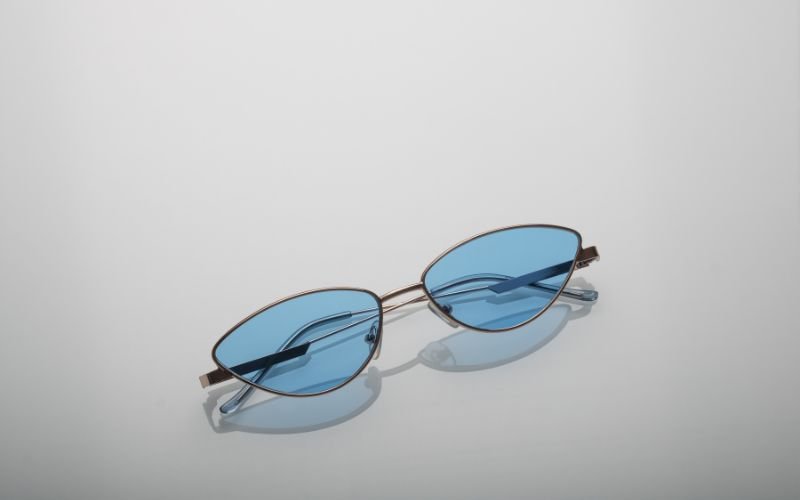
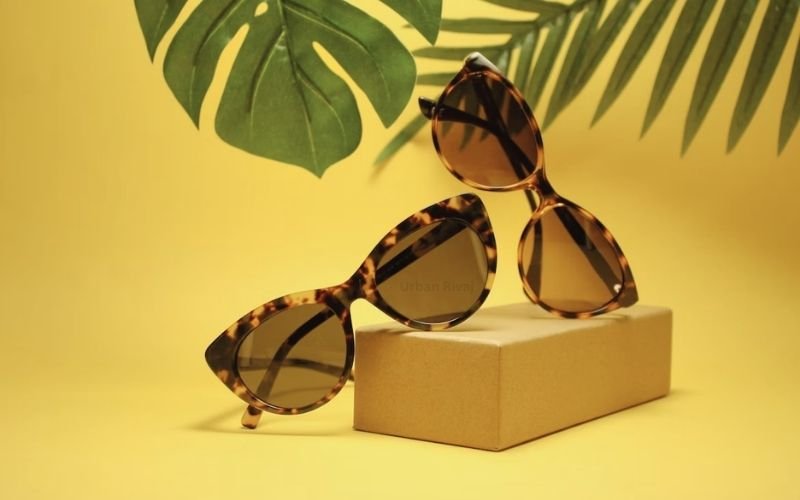
- Cat-eye frames — a retro shape that has never really left, flattering on oval and square faces
- Oversized round acetate frames — a runway-favorite look, especially strong on square and diamond face shapes
- Aviators — lightweight metal frames that suit heart and oval faces and remain the go-to for driving
- Geometric and double-bridge frames — a sharper, modern silhouette that adds structure to softer face shapes
If you’re shopping for a piece that photographs well and holds up as an everyday statement, browsing our full sunglasses collection is the easiest way to compare shapes side by side before committing.
Real-World Use Cases
The daily commuter: wants lightweight, scratch-resistant lenses with polarization for glare off wet roads and windshields — durability matters more than the label.
The beach or vacation wearer: wants strong UV protection, polarization for water glare, and a frame secure enough to survive a beach bag.
The office-to-evening wearer: wants a frame that reads as polished in daylight and still photographs well in evening light — cat-eye and geometric shapes tend to work hardest here.
The active or sporty wearer: wants a snug, lightweight frame that won’t slide during movement, ideally with polarized or mirrored lenses to cut glare during outdoor activity.
Whichever category you fall into, our full sunglasses collection is organized by shape and lens type, so it’s easy to filter down to the styles that fit your day-to-day life.
Common Mistakes to Avoid
- Buying based on trend alone without checking the UV rating
- Choosing a frame width that’s noticeably wider or narrower than your face
- Assuming a darker lens means better protection — it doesn’t
- Skipping lens material details and ending up with frames that warp or scratch within months
- Buying one “do everything” pair instead of a lighter everyday pair and a polarized activity pair
Pro Tips from Years of Fittings
In practice, the pairs that get worn the most aren’t always the flashiest ones — they’re the ones that fit correctly the first time. A few things worth knowing before you buy:
- Try sunglasses on in natural daylight, not indoor store lighting, since tint and fit read differently outdoors
- If a frame leaves marks on your nose or temples within a minute, it will only get worse over hours
- Lighter-coloured lenses (rose, light grey) work better for driving and low-light conditions than very dark tints
- A slightly snug fit when new is normal — acetate frames loosen slightly with wear
How to Buy: A Simple Step-by-Step Process
- Identify your face shape using a mirror and the table above
- Decide your primary use case — everyday wear, driving, sport, or occasion wear
- Set a lens priority — polarized for glare-heavy days, standard UV400 for general wear
- Shortlist two or three frame styles that fit your face shape
- Try them in daylight if possible, or check sizing charts carefully when buying online
- Confirm UV400 protection before finalizing the purchase
If you’re unsure which shape or lens type fits your face and lifestyle, you can always get in touch with our styling team for a personal recommendation before you buy.
Frequently Asked Questions
What are the best sunglasses for women with round faces?
Square, rectangular, and geometric frames work best on round faces because their straight lines add structure and make the face appear more defined. Avoid small round frames, which tend to exaggerate roundness rather than balance it.
Are polarized sunglasses worth it for everyday wear?
Yes, especially if you drive or spend time outdoors regularly. Women’s polarized sunglasses cut glare from roads, water, and pavement, reducing eye strain significantly compared to standard tinted lenses, even in everyday city conditions.
How do I know if sunglasses actually block UV rays?
Check the label or product description for “UV400” or “100% UVA/UVB protection.” Tint darkness alone says nothing about UV blocking — a light lens with UV400 protection is safer than a very dark lens without it.
What’s the difference between fashion sunglasses and prescription sunglasses?
Fashion sunglasses are non-prescription and chosen purely for tint and style, while prescription sunglasses combine your corrective lens power with UV-protective tinted lenses, letting you see clearly and stay protected at the same time.
Which frame shape suits a square face the best?
Round and oval frames, along with soft cat-eye shapes, balance a square jawline nicely. Sharp, angular frames tend to emphasize the squareness of the face rather than softening it.